3. Commercial Building Practices
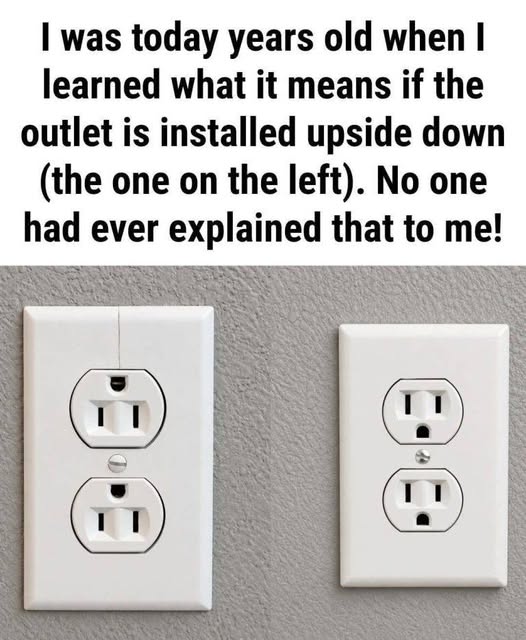
Commercial buildings such as offices, laboratories, schools, and manufacturing facilities often adopt the same ground-up outlet orientation seen in hospitals. This choice reflects a combination of safety considerations, engineering specifications, and consistency across large projects.
Electricians working in these settings follow project plans that may specify the orientation to ensure uniformity and compliance with safety standards. Installing outlets with the grounding pin up can also simplify circuit identification and maintenance for building managers and technicians.
- Enhances safety by reducing accidental shorts
- Standardizes installation practices across the building
- Facilitates easier identification of switched or special-purpose outlets
- Ensures compliance with design specifications
4. Electrical Code Regulations
Contrary to some misconceptions, most national and local electrical codes do not require outlets to be installed with the grounding pin either up or down. Both orientations are generally acceptable as long as the installation meets safety standards and passes inspection.
This flexibility allows electricians to choose the orientation based on the specific context, safety priorities, or client preferences. Whether an outlet is installed ground-up, ground-down, or even sideways, the critical factors are proper wiring, secure connections, and adherence to code requirements.
5. Residential Traditions
In residential settings, outlets with the grounding pin at the bottom have become the visual norm due to tradition and familiarity. Home construction has favored this orientation for decades, influencing manufacturers’ product photography, furniture design, and consumer expectations.
Because of this deep-rooted convention, many homeowners assume that ground-down outlets are the only correct way, even though ground-up installations can be equally safe and effective.
Unless there is a specific safety or functional reason, flipping existing residential outlets is usually unnecessary.